
A $2 virtual Visa card that spends straight from a USDT balance — useful, but built for three African markets and little else
 Available in US
The Busha card is a virtual Visa card in US dollars that spends directly from balances held in the Busha wallet — USD, USDT and USDC. Creating one costs $2 once, and Busha states there are no funding fees and no maintenance fees. That part is genuinely attractive if you want a card number to pay with online and you already hold dollars or dollar-pegged tokens on the platform.
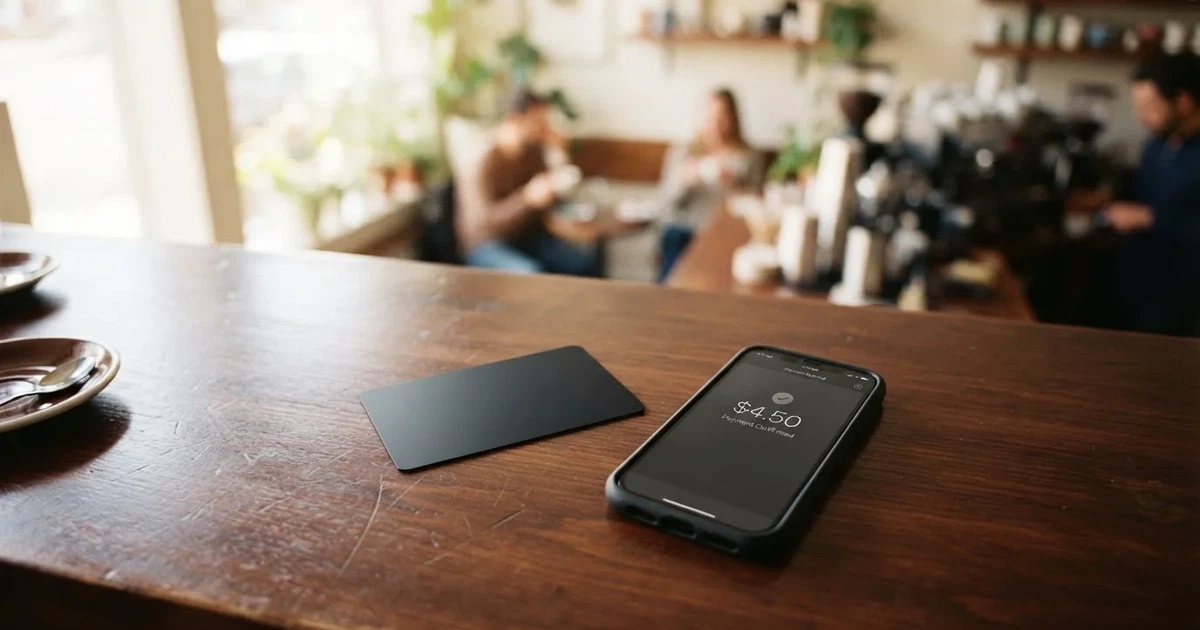
Everything around that centrepiece is thin. The card is virtual only, so there is no plastic to put in a wallet and no ATM to pull cash from. Apple Pay and Google Pay are not supported. The card’s public pages do not name the countries it is offered in, do not publish conversion or foreign-exchange fees, and do not list spending limits. The people most likely to want this card — Nigerian, Ghanaian and Kenyan residents paying for things online with USDT — get the least help from the documentation, because so much of it simply is not written down.
I gave it 4.8 out of 10. That is not a bad product; it is an incomplete one, and the gaps fall in exactly the places where a card user needs answers.
The conditions described here are current as of October 28, 2026.
Verdict: 4.8 out of 10
My scoring breaks down into six criteria, each weighted the way I weigh a card for someone who is trying to solve a real access problem rather than trying a novelty.
| Criterion | Score | Why |
|---|---|---|
| Who can get it | 2 / 10 | Countries are not named; Busha entities exist in Nigeria, Kenya and Ghana; Naira payments are not supported. Unofficially, described as a card for Nigeria, Ghana and Kenya. |
| Cost | 8 / 10 | $2 to create the card, once. No funding fees or maintenance fees. FX fees are not disclosed. |
| Top-up options | 5 / 10 | Spending comes from USD, USDT and USDC balances in the Busha wallet; the networks are not named. |
| Reliability and complaints | 6 / 10 | Busha Digital Limited, licensed by SEC Nigeria as a Digital Asset Exchange; the card issuer is not named. Unofficially, Trustpilot scores around 3.5–3.8 out of 5 across 16–17 reviews, with slow withdrawals and slow support the recurring themes. |
| Everyday use | 2 / 10 | Virtual only; Apple Pay and Google Pay are not supported. Unofficially, no ATMs. |
| Total | 4.8 / 10 | Strong on price, weak on reach and on the practical details that decide whether a card works day to day. |
Who this suits: someone in Nigeria, Ghana or Kenya who already holds USDT or USDC on Busha, pays mainly online, and wants a dollar card number without setting up a traditional bank account relationship. The $2 entry cost is the lowest barrier I have seen on a crypto card, and the absence of any monthly charge means an unused card costs nothing to keep.
Who this does not suit: anyone who needs cash in hand, anyone who lives outside the three African markets the company operates in, anyone who pays in naira, and anyone whose subscriptions require a mobile wallet. If your week includes withdrawing from an ATM or tapping a terminal at a market stall, this card does not help.
Will they give you the card?
The honest answer is that the card’s own pages will not tell you. Countries are not specified on them; you are told simply that applicants “complete the eligibility questions”. Busha entities do exist in Nigeria, Kenya and Ghana, and Naira payments are not supported — so the shape of the answer is clear even though the wording is not.
Third-party descriptions, which Busha has not confirmed on its own pages, say the card is available to applicants in Nigeria, Ghana and Kenya aged 18 or over with a verified Busha account. Treat that as unofficial. What is official is the entity structure behind it: Busha Digital Limited in Nigeria (registration 1495049), a Kenyan registration PVT-GYUQJAEL, and Busha Digital Ltd in Ghana (CS-182631123). The company is licensed by SEC Nigeria as a Digital Asset Exchange, and it holds data-protection registrations in Kenya (ODPC 15965), Ghana and Nigeria. The organisation is real and formally registered in three countries; the card’s eligibility language is simply thinner than the corporate structure.
One more thing a card user should notice early: the card issuer and its BIN sponsor are not named. Busha is the crypto brand in front of you, but on every crypto card there is a bank or licensed institution actually issuing the plastic — or in this case the number. That institution is the party that ultimately stands behind authorisations, disputes and refunds, and Busha does not identify it.
How to get it
The application is short on paper and long on detail missing. You answer the eligibility questions, accept the Card Terms, and pay the $2 fee. That is the described flow. Busha does have an AML & KYC Policy and an “ID Verification” help article, so identity checking clearly exists in some form — but when I looked for the specifics, the help centre redirected. Documents required, proof of address, minimum age, how long verification takes and why a verification might be refused are not stated.
The card itself is a stablecoin-backed virtual USD Visa card. It is issued “within minutes” after approval and payment of the $2 fee, and it stays virtual — there is no physical card in the current product. You can hold up to four cards, each with a custom name and colour.
There is also a help-centre page called “Verification Levels and Limits” that concerns you if you are in Nigeria and transacting in naira. At Level 1 you can deposit only, with no withdrawals. Level 2 allows up to NGN 10,000,000 per month in deposits and withdrawals, and Level 3 up to NGN 500,000,000 per month. Which verification level the card itself requires, which documents each level needs, how long each takes and what triggers a rejection — none of that is stated. If you need to move real amounts, that page is the one to read carefully, and it is about fiat limits rather than card limits.
So: expect an app-based application, an identity check of some kind, and a card number in your account minutes after approval. Expect to have to ask support directly for anything more specific than that.
Fees and costs: what it really costs
The headline is genuinely good. Busha charges $2 to create a card, once. It states plainly: “No funding fees or maintenance fees.” There is no annual fee, no monthly fee and no per-transaction charge in the official description. For a card aimed at people who are used to paying a monthly account fee on a basic card, that is a real saving.
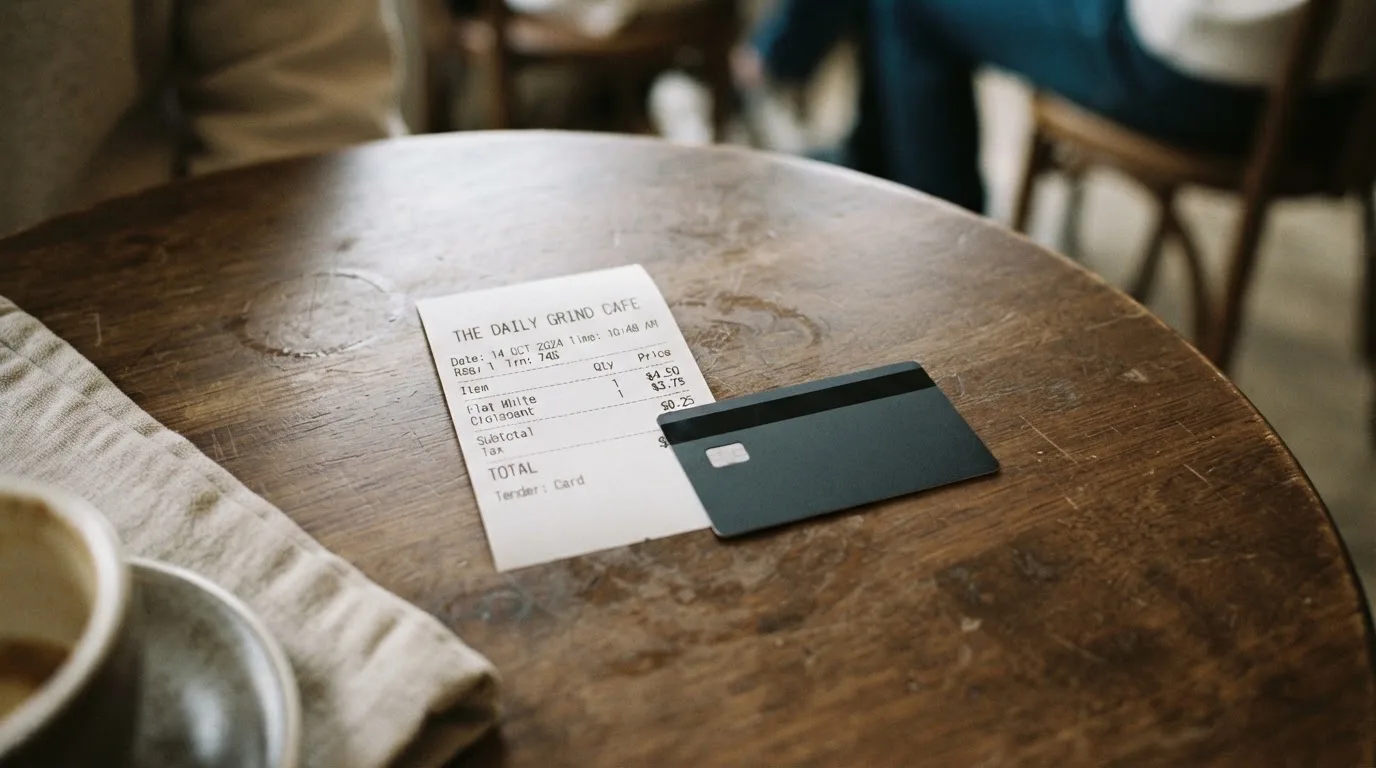
The problem is everything the official pages leave out. Here is the honest picture, with “not stated” marking where Busha’s own pages go quiet.
| Item | What Busha says |
|---|---|
| Card issuance | $2 one-time |
| Monthly or maintenance fee | None — “No funding fees or maintenance fees” |
| Crypto purchase fee | Not stated |
| Conversion fee | Not stated |
| Foreign exchange fee for non-USD payments | Not stated |
| ATM withdrawal or cash advance | Not stated; unofficial reports say no ATM withdrawals, cash advances or in-person POS payments |
| Daily spending limit | Not stated |
| Monthly spending limit | Not stated |
One third-party source, which conflicts with Busha’s own description and should be treated as unofficial, claims there are no annual, monthly, transaction or foreign transaction fees — only platform fees for buying USDC and network fees. That same description portrays a USDC Mastercard with up to 10 cards, which does not match the official Visa / 4 cards / $2 creation fee. I would not plan around it.
Three everyday payments, to make the gaps concrete:
A $20 subscription in dollars. You pay $2 once for the card, then $20 from your balance, and Busha states no maintenance or funding fee applies. This is the clean case — a flat dollar payment, no conversion involved.
A €15 subscription paid from a dollar balance. The card works “wherever Visa supports international USD payments”, so the payment itself should be accepted. But the conversion rate applied, and any foreign exchange fee on top of it, are not stated. You would be finding out what a euro subscription costs in dollars after the fact, not before.
A payment in naira. Naira payments are not supported. The card simply does not apply here, and no fee schedule changes that.
The pattern: the more of your spending is in dollars and online, the cheaper and simpler this card is. The further you move from that, the more you are relying on figures Busha has not published.
How to Top up
Topping up is the part Busha describes most clearly, and the part I like most. The card “currently supports spending from USD, USDT, and USDC balances” in the Busha wallet. You transfer stablecoins to your Busha wallet, and the card draws down that balance when you pay. No funding fees and no maintenance fees attach to that movement.
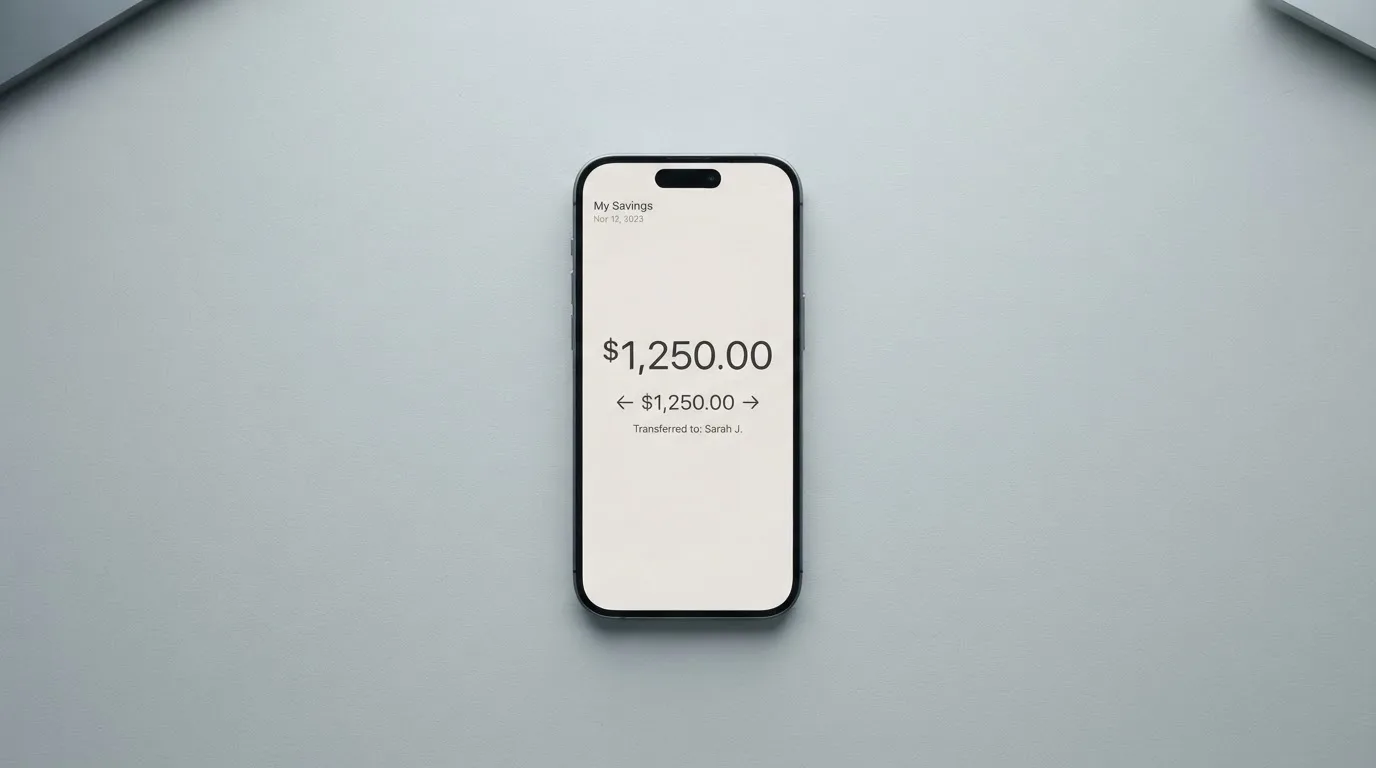
What is not stated: the networks. Busha does not name which blockchains those USDT and USDC balances arrive over, and it does not state a minimum top-up or any deposit network fees in the current post. That combination matters more than it sounds. If you send USDT over a network the platform does not support, or to an address belonging to a different network, blockchain transfers are irreversible — the funds can be lost, or need manual support intervention with no guarantee of recovery. Getting the network right is entirely on you, and the card’s own documentation does not tell you which ones to pick.
An older 2022 post for the earlier USDC card gave a minimum of 2 USDC, a maximum of 5,000 USDC per funding, and a 10,000 USDC maximum held per card. That was a different, earlier product and is not confirmed for the card described today. It is at least a hint that minimums and caps have existed at some point.
Moving money back out is also unaddressed. The post does not describe moving a card balance back out, closing a card, or what happens to funds in a card you stop using, and the Card Terms are not linked from the post. If you are holding a balance on a card, the exit route is something to ask before you fund it, not after.
Paying with it every day
Here is where the card is most limited, and where I would ask you to be honest with yourself about what you will use it for.
Apple Pay and Google Pay are not currently supported. This is stated outright. That removes the single most common way people pay in person, and it removes tap-to-pay from phones entirely. On a virtual-only card with no mobile wallet, in-person payments are close to impossible.
No physical card. The card exists only in your Busha account, as a set of card details. That is fine for online subscriptions and digital services, and it is why the card can be issued within minutes at no manufacturing cost. It is useless for a shop that wants to see a card.
Where it works. The card works “wherever Visa supports international USD payments”. Which merchant categories are blocked is not stated. In this category of card, gambling is frequently blocked by policy rather than by law, and the blocked list varies by issuer — but Busha does not publish one, so you would find out by decline.
The app. The Busha app is on iOS and Android. The App Store Nigeria listing shows 4.6 out of 5 from 5.4K ratings, and Bush’s own site cites 4.6 on the App Store (5k+) and 4.5 on Google Play (11k+). App ratings are a weak signal — they skew heavily positive and move slowly — but they suggest the app is not the weak point.
Rewards and disputes. No cashback is mentioned anywhere in the official material. There are no published dispute, chargeback or refund terms in the post, and the Card Terms are not linked, so I cannot tell you what recourse you would have if a payment was wrong. That is a real gap, and it is one worth closing by asking support directly before you rely on the card for anything you’d be upset to lose.
One category detail worth knowing generally: a declined authorisation can leave a hold on your funds that stays for several days, in some cases up to seven. A string of failed or retried payments can quietly tie up balance that looks like it is still yours.
What can go wrong
Slow withdrawals and slow support. This is the most consistent complaint theme, and it comes from outside Busha. A third-party review page from May 2026 cites Busha on Trustpilot at roughly 3.5–3.8 out of 5 from around 16–17 reviews, with recurring themes of deposits and withdrawals being slow or not appearing, KYC delays and forced upgrades, rate gaps when selling crypto, and slow support. I did not open the Trustpilot page itself, and a score built on sixteen reviews is small enough to swing on a handful of experiences. Google Play shows around 4.36 in the same material. Note also that official Busha pages produce no complaints material of their own — a search for Busha virtual USD card complaints returned nothing but other companies’ reviews — so what exists publicly is third-party and thin.
An unnamed issuer. The institution that actually issues the card is not named. When something goes wrong with an authorisation, a reversal or a refund, you will want to know which regulated entity is responsible.
The product changed once already. On 8 July 2022 Busha announced earlier USD virtual cards: USDC-funded, Mastercard, early access, up to 10 cards, and described as “completely free”. The current post describes something different — Visa, up to 4 cards, a $2 creation fee. The 2022 description has been superseded. That is normal product evolution, but it is worth registering that the terms you read today are not the terms that applied before.
Stability of the underlying assets. The card is dollar-denominated, but the balances behind it are often USDT or USDC, and stablecoins are not unconditionally stable. One depegged badly in May 2022; another briefly lost its peg in March 2023 during the US banking crisis. Both dollar-pegged tokens dominate the market, with roughly 90% of stablecoin market capitalisation sitting in them as of July 2025 — so the system is concentrated on two issuers’ promises.
Irreversible transfers on the way in. Deposit mistakes are the crypto-native way to lose money quietly, and Busha does not name the supported networks.
Programme risk. Card programmes do close. In November 2022 Visa said it had terminated its global agreements with FTX, and the FTX US debit card was wound down by its issuer. In 2018 Visa suspended WaveCrest in Europe, closing all WaveCrest-issued Visa programmes. Closures typically mean a notice period, then spending and loading stop, then you are asked to withdraw what remains. Busha is a custodial exchange wallet — the provider holds the credentials, not you — and its security detail for the card is not published: no freeze controls, no two-factor description, no spending controls in the card post, though the site footer mentions an ISMS Policy and the help centre has a Security collection of 11 articles I did not open.
What to take instead
If the Busha card’s appeal is a dollar card for online spending, these are the alternatives I would weigh, with the same scepticism applied to what each of them does not publish.
| Card | Score | Notes on what is stated |
|---|---|---|
| Whop Cards | 5.2 / 10 | Visa, works anywhere Visa is accepted online and in stores. “No extra fees” on the page; no issuance or monthly amounts listed. Consumer access covers 31 US states, business access 41. Pending balances usable as soon as a payment arrives. 5% cashback at select merchants, currently Uber, with payout currency and conditions not stated. |
| Stella | 6.5 / 10 | Virtual and physical, VISA, described as working at “over 40 million VISA merchants globally”. Fees are said to be described in the User Agreement or in the app rather than published. Depositing crypto automatically tops up the card. Terms bar users under economic sanctions programmes and route US and European users through affiliates. No cashback stated on the card page. |
| UniFi Card | 4.7 / 10 | Prepaid Debit Visa Card issued by Lead Bank, card currency USD, app also supports Apple Pay. Fees are “may apply, see UniFi website”. Funds arrive via ACH, wire, SEPA (IBAN) or SPEI (CLABE), or through payment to a USDC wallet. A 3% rewards claim on balances appears in the listing; card cashback is not stated. Access not confirmed from official pages. |
Read that table as a set of trade-offs rather than a ranking:
- Whop is the broadest on paper for US residents and the clearest on rewards, but it is a US-state product and its virtual/physical mix is not stated.
- Stella is the only alternative here with both virtual and physical cards, which matters if in-person spending is on your list — and it is the most open about its geographic routing.
- UniFi is the only one that names its issuer, Lead Bank, and supports Apple Pay, and the only one naming concrete funding rails.
None of them publishes everything either. The honest conclusion is that this category is uniformly under-documented, and Busha’s problem is that its gaps line up with the things a new user asks first.
Who I would recommend it to
I would recommend the Busha card to one specific person: someone in Nigeria, Ghana or Kenya who already keeps USDT or USDC on the platform, pays for services online in dollars, and has concluded that a normal bank card is not going to work for them. For that person this is a cheap, fast, functional answer. Two dollars once, no monthly charge, a Visa number in the account within minutes, spending straight from a balance they already hold.
I would not recommend it to someone who needs cash, who wants to pay in naira, who lives in a country Busha has not named, or whose main spending happens through a phone wallet. And I would tell anyone in the first group to ask support three questions before funding a meaningful balance: what the conversion and foreign exchange fees actually are, which networks the supported USDT and USDC balances use, and what the terms are for closing a card and withdrawing a balance. Those are not pedantic questions. They are the three places where the published information runs out.
Frequently asked questions
What is the Busha card?
The Busha card is a virtual Visa card denominated in US dollars that draws on balances held in the Busha app. Busha describes it as a stablecoin-backed virtual USD Visa card, and it currently spends from USD, USDT and USDC balances in the wallet. It is virtual only — there is no physical version — and Busha states it works wherever Visa supports international USD payments.
How does the Busha card work?
You fund your Busha wallet with dollars or dollar-pegged tokens, then pay with the card and the balance is debited. Cards are issued within minutes of approval and the $2 creation fee, and you can hold up to four, each with a custom name and colour. The card is USD only, so payments in other currencies involve a conversion whose fee Busha does not publish, and naira payments are not supported at all.
Does the Busha card require KYC?
Something along those lines exists — Busha has an AML & KYC Policy and an ID Verification help article — but the specifics are not published. Required documents, proof of address, minimum age, processing time and grounds for refusal are all unstated. A help-centre page on verification levels does outline naira tiers in Nigeria, from deposit-only at Level 1 to monthly limits at Levels 2 and 3, but which level the card needs is not stated.
What does the Busha card cost?
Creating a card costs $2 once, and Busha states there are no funding fees and no maintenance fees. Beyond that, conversion fees, foreign exchange fees, and any transaction charges are not stated on the official pages. A third-party description claims there are none, but it also describes a different product, so I would not rely on it.
Can I add the Busha card to Apple Wallet?
No. Busha states plainly that Apple Pay and Google Pay are not currently supported. That means no tap-to-pay from your phone, which on a virtual-only card with no ATM access leaves online payments as the card’s main use. If in-person or mobile-wallet spending is essential to you, this is the single fact that should rule the card out.
Is the Busha card safe?
That depends on what you mean. The company is registered in Nigeria, Kenya and Ghana and licensed by SEC Nigeria as a Digital Asset Exchange, with data-protection registrations in all three. But the card issuer is not named, security controls for the card are not published, and because Busha is a custodial wallet the platform holds the credentials rather than you. Crypto transfers into it are irreversible.
Is Busha a bank, and who owns it?
No, it is not a bank. Busha Digital Limited is registered in Nigeria (1495049), with a Kenyan registration PVT-GYUQJAEL and a Ghanaian registration CS-182631123, and it is licensed by SEC Nigeria as a Digital Asset Exchange. It is a custodial crypto exchange and card programme manager rather than a deposit-taking institution, so customer funds held there are not the same thing as a bank deposit.
Is the Busha card free?
Not quite. It costs $2 to create, once. After that Busha states there are no funding fees and no maintenance fees, so the ongoing cost of holding one is nothing in the official description. An earlier 2022 version of the card was described as completely free and Mastercard-based, with up to 10 cards — that product has been replaced by the current Visa card.
How do I top up, and which network do I use?
You send USD, USDT or USDC to your Busha wallet and the card spends from those balances, with no funding fee attached. The catch is that Busha does not name the supported networks in its current material, and sending on the wrong network is an irreversible mistake. An older 2022 post for a previous card gave a 2 USDC minimum and 5,000 USDC maximum per funding, but that was a different product.
Where can I use the card, and can I get cash?
Online, anywhere Visa supports international USD payments, subject to whatever merchant categories Busha blocks — a list that is not published. Cash is the weak point: the card is virtual only, and unofficial reports say there are no ATM withdrawals or cash advances. Apple Pay and Google Pay are not supported either, so in-person spending is largely closed off.
Highest-scored app and neobank cards – cryptocardbest.com
Content created by the «cryptocardbest.com» team