
What the Lydian card actually offers, and what you have to take on trust
 Available in US
The Lydian card is a Visa Platinum card, physical and virtual, issued through Rain, a Visa Principal Member. You hold USDT or USDC, the card converts to local currency at the point of sale, and you spend it anywhere Visa is accepted. There is no annual fee, and both card forms are free to issue. That is the whole offer in a sentence, and it is either exactly what you want or quietly irrelevant to you.
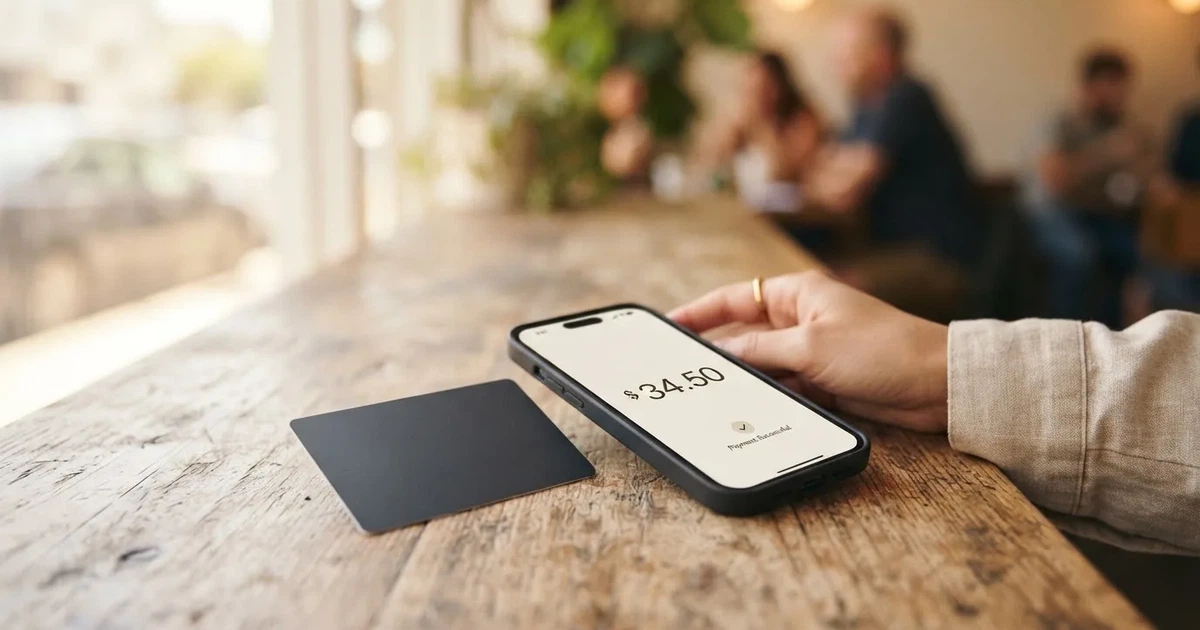
My score for the card is 6.9 out of 10. That number is not a rounding of something friendlier. The card does a small number of things plainly and does not hide them, but it also declines to publish the numbers that would let you plan a month of spending: no conversion figures, no ATM terms, no limits, no country list, no named networks. If you already hold USDT or USDC and you want a Visa card that spends it without an annual charge, this is a serious candidate and you are its intended user. If you are choosing a card for the first time, or you need one to work in a specific country, or you want to know what a coffee costs in your own currency before you pay for it, you will spend the next twenty minutes reading this page and still not know.
The details below are current as of October 28, 2026.
Verdict: 6.9 out of 10
Lydian’s card suits one person well: someone already holding USDT or USDC who wants a Visa Platinum they can tap in a shop, load from the stablecoins they have, and pay no annual fee to keep. For that person the design is clean and the terms are readable.
It suits a second person less well: someone who is picking a card with the card’s terms in front of them. Lydian publishes the architecture and stays silent on the arithmetic. That is a pattern across the whole product, and it is the main thing I want you to take away before you read anything else.
It does not suit someone who wants a card with a transparent fee schedule, a published country list, or a stated answer to what happens when you try to withdraw cash. None of those exist on the card’s public pages as far as I can tell.
| Criterion | Mark | Why |
|---|---|---|
| Who can get it | 5 / 10 | No country list; features depend on your country of residence and eligibility; adults 18+ |
| Cost | 7 / 10 | No annual fee, physical and virtual free to issue; conversion fees are shown before a payment but the numbers are not disclosed |
| Top-up options | 7 / 10 | Funded natively by USDT and USDC on supported networks, other assets swapped in the Lydian wallet; networks not named |
| Reliability and complaints | 8 / 10 | Issuer is Rain, a Visa Principal Member; no complaints about the card found; unofficial: company said to be backed by Tether and Cantor Fitzgerald |
| Everyday use | 8 / 10 | Visa, physical with chip and contactless plus virtual immediately, Apple Pay and Google Pay; cash machine terms not disclosed |
Total: 6.9 / 10.
The two fives and sevens pull against the eights. Reliability and everyday use score well because the pieces are right: a major issuer, a major network, the two mobile wallets everyone uses, and no recorded disaster. Availability scores badly because the card cannot tell you where it works. That gap matters more than it looks, and the sections below explain why.
Will they give you the card
The card publishes no country list. What it does publish is a sentence about availability: features may vary depending on your country of residence, and access is subject to eligibility requirements.
That is the whole eligibility picture, and it is thinner than it looks. There is no list to check your country against, no statement about citizenship as distinct from residence, and no explanation of what the eligibility requirements are. So the honest answer to “will they give it to me” is: nobody can tell you from the public pages, including me. The card’s own framing puts the decision at residence and at some internal criteria it does not publish.
One thing is clear: the card is for adults. Individuals 18 and over who complete identity verification are the stated audience. Prepaid and debit cards across the industry are generally adult-only, and some issuers set higher limits for particular products, so there is nothing unusual here, but it does mean this is not a card you can put in a teenager’s name.
It is worth being blunt about what this section cannot tell you. If you are in a country where card issuing is tightly restricted, or where your residence status is unclear, or where your address cannot be documented, the card’s silence means you will find out by trying, not by reading. Budget for that uncertainty when you plan.
How to get it
The route is short, which is a point in the card’s favour. You download the Lydian Wallet app, complete a quick identity verification, and a virtual card is issued instantly in the app. The physical card follows, shipped to your doorstep.
That is genuinely all the card says about the process, and the gaps are in the details that normally matter. The card’s pages do not state which documents you need, whether proof of address is required, how long delivery takes, which countries it ships to, or what a replacement costs if the card is lost or damaged in the post.
There is also only one verification level described, a single quick identity verification for adults 18 and over. No tiers, no stated processing times, no stated reasons a check might fail, no mention of what happens if you are refused. In EU terms, an institution that cannot complete customer due diligence is required to refrain from the transaction or relationship and, where necessary, end existing relationships, which is the normal reason accounts close or freeze pending documents. If that sounds alarming, it is not a criticism of Lydian specifically; it is what every regulated onboarding process looks like from the outside. The point is that you will not find these answers on the card’s pages before you start.
What you do get is a physical card with a chip and contactless, a virtual card issued instantly, both on the Visa network. The card currency is not stated, which matters more than it sounds and gets its own section below.
The physical card is a Visa Platinum, which comes with Visa’s Platinum benefits as listed by the card: car rental insurance, purchase protection, an extended warranty, and 24/7 Visa customer service, with acceptance at more than 150 million merchants. Those benefits belong to Visa Platinum as a product, not to Lydian specifically, so treat them as a card tier rather than a promise from this issuer.
Fees: what it really costs
Here is where Lydian is simultaneously attractive and frustrating. Attractive because the entry costs are zero. Frustrating because every variable cost is described in words rather than numbers.

| Item | What the card states |
|---|---|
| Annual fee | No annual fee |
| Physical card issuance | Free to issue |
| Virtual card issuance | Free to issue |
| Conversion to local currency | Automatic at the point of sale; applicable network or conversion fees clearly shown before you complete the transaction; figures not stated |
| Cash machine withdrawal | Not stated |
| Spending limits | Not stated; card says transactions are subject to applicable fees and limits |
The free part is real and worth saying plainly, because annual fees are where most card products quietly take money. No annual fee, and both the plastic and the virtual version cost nothing to issue. If you want a card purely to spend stablecoins, there is no ongoing charge just for owning it.
The conversion part is the honest gap. The card says conversion happens instantly and automatically at the point of sale, and that any applicable network or conversion fees are clearly shown before you complete the transaction. That is a good disclosure pattern. It is also useless for planning if you do not know the rate in advance, because the amount you see is the amount at the moment you tap. You cannot budget a month of spending against an unknown spread.
Three everyday payments, so you can feel where this lands:
A ten-euro coffee in a euro country. You tap, the terminal asks in euros, and the card converts from your USDT or USDC balance on the spot. Some conversion fee applies and is displayed before you confirm. What you do not know beforehand is how much of the ten euros arrives. If your balance is stablecoin-denominated, the euro amount you receive depends on the conversion cost at that instant, and the card does not print a number.
A dollar taxi ride in the United States. Same mechanics, different currency, and the currency mismatch is the part the card does not discuss at all. Because the card currency is not stated and multi-currency balances are not offered or not mentioned, you should assume your balance is USDT or USDC and the conversion happens at the point of sale. If that assumption is wrong for your spending pattern, it matters.
A cash withdrawal. I cannot tell you what this costs, or whether limits apply, because the card says nothing about cash machines. Not a number, not a per-transaction fee, not a daily limit, not a monthly limit. If you need cash, this is the question to ask support before you rely on the card, not after.
Two related absences. There is no tier structure at all: a single product line, physical and virtual Lydian Card, with no metal version and no price levels. And the card balance sits in USDT or USDC, with conversion to local currency happening instantly and automatically at the point of sale. There is no stated card currency and no stated multi-currency holding.
Top up: how to fund it
The funding model is the card’s clearest idea. It is funded natively by USDT and USDC on supported networks. Anything else you hold, you swap into the card balance through the Lydian Wallet.
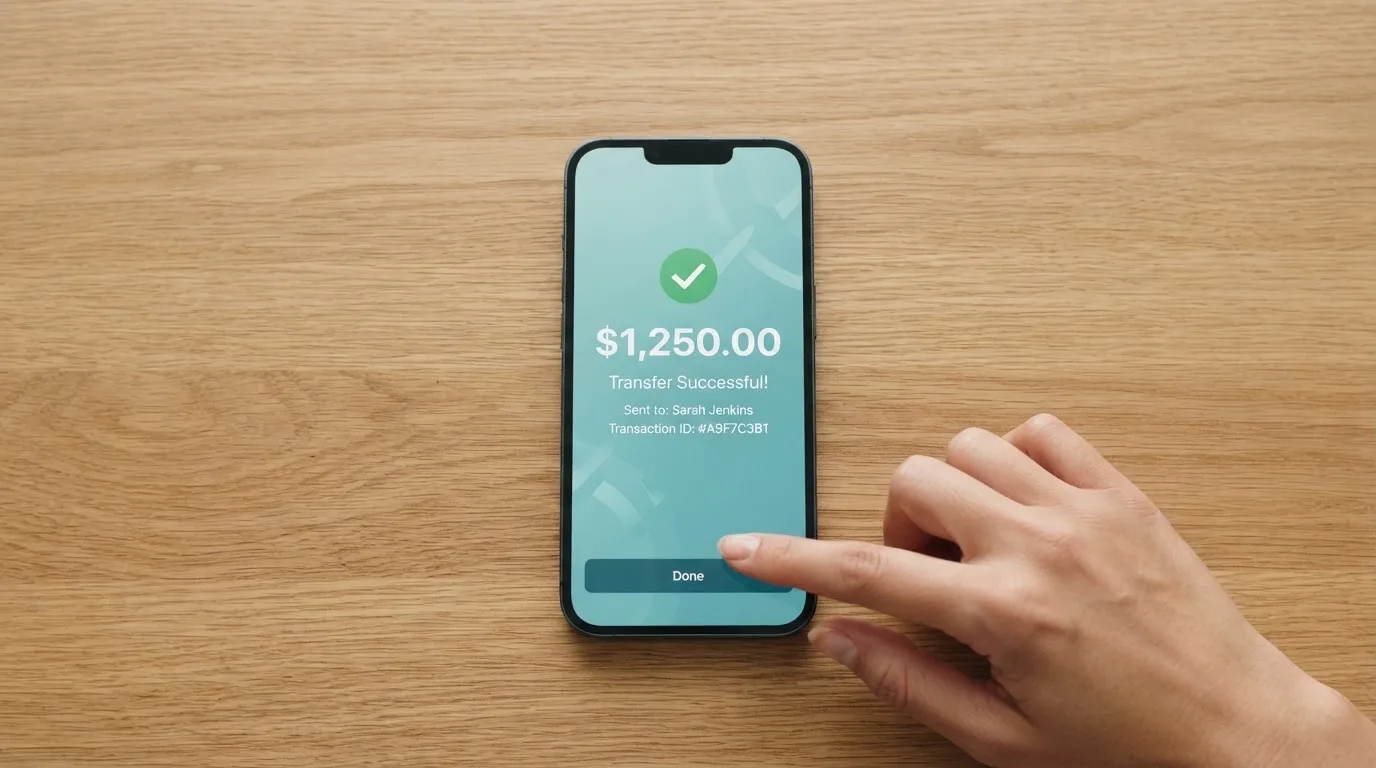
That is short, sensible, and has one hole in it: the networks are not named. “Our supported networks” is the phrase on the card. So before you send anything, you have a genuine question with no published answer: which chain do I send USDT on?
This matters more than a small detail, because crypto transfers are typically irreversible. A deposit sent on a network the provider does not support, or sent to an address belonging to another network, can be lost or need manual support recovery with no guarantee. There is no safety net built into a blockchain. The most common way people lose money on a card like this is not fraud, it is a confident tap in a wallet app that picked the wrong network.
Other things about funding that the card does not disclose: no deposit fee, no minimum top-up amount, and no mention of a way to add funds by card, bank transfer or fiat. If you have no crypto and want to start, nothing on these pages tells you how. The route the card describes starts from assets you already hold.
I would want three answers before a first transfer, all of them from support rather than from the page: which networks are supported, which is cheapest for your amount, and what happens if I pick wrong. That last one is not a hypothetical. Ask it anyway.
Paying with it every day
Everyday use is where this card scores best, and the reasons are concrete. It is a Visa card, which is the network most shops, most terminals and most online checkouts are built around. The physical card has a chip and contactless. The virtual card arrives instantly in the app, so you can start paying before the plastic turns up, and you can create it for a single subscription and discard it.
Apple Pay and Google Pay are supported on both card forms, which is the single most useful everyday feature here. Adding a card to a phone wallet replaces the card number with a device-specific number stored in the phone’s secure hardware, never on the vendor’s servers, and every payment carries a one-time code. In practice it means you tap with a phone, you do not hand over a card that can be cloned at a terminal, and if the phone is lost the wallet can be wiped without touching the card.
The card also lists rewards collection as a feature. No rate, no terms, no tiers, no earning threshold. Treat it as a statement that something exists rather than something you can plan a budget around.
Two things missing that shape everyday use. The app and web dashboard are named, but there are no App Store or Google Play listings or ratings on the card’s pages to judge by, and no store ratings at all were found there. And the card mentions Visa purchase protection and cardholder protections, but says nothing about disputes, chargebacks or complaint handling, which are the parts you actually need when a payment goes wrong.
One more category worth knowing about, even though the card does not mention it: merchant category codes. A four-digit code classifies what a business sells, and one of them, gambling, is blocked by many issuers as policy rather than by law, with the list varying by issuer. Lydian does not publish its blocked categories. If gambling or some other category matters to you, that is another question for support.
What can go wrong
Let me sort the real risks from the ones that are simply unknown, because they deserve different treatment.
The known-good news first. No complaints about this card could be found, on official channels or on Trustpilot and Reddit, where reviews for the Lydian card turned up nothing; searches returned unrelated brands. That is genuinely a point in the card’s favour, and it is also a small sample. A young product with no reviews tells you there has been no reported disaster, not that everything is sound. And in this category, silence has a specific cause: crypto card programmes have been shut down before, with WaveCrest suspended by Visa in Europe in 2018 and Visa terminating its agreements with FTX on 13 November 2022, the FTX US debit card then wound down by its issuer. When that happens, the sequence is always the same, a notice period, then spending and loading stop, then you are asked to withdraw what is left. Its own issuer’s page mentions Visa purchase protection and cardholder protections and nothing about what a Lydian closure would look like.
The security story, as told. The card is issued through Rain, which operates over the Visa network with fraud monitoring and cardholder protections. The Lydian Wallet is described as letting you maintain control of your assets, and the cards are called collateralized credit cards issued through Rain. The card freeze, two-factor authentication, spending controls and any insurance are not stated. So the industry-standard safeguards, app-based 2FA, instant freeze, spending limits, 3-D Secure confirmation and tokenised mobile wallets, are not documented here either way. You are relying on the Visa layer and the issuer’s systems, with no published layer of your own.
The unknown risks, which are the ones to plan around. No country list. No named networks. No fee figures. No limits. No cash machine terms. No dispute process. No card currency. Each of those is a place where a plan of yours could meet a wall. The practical response is not alarm but preparation: ask support the specific questions before you rely on the card, and treat the parts you cannot verify as unavailable.
Who is actually behind it. The card names Rain as issuer and describes it as a Visa Principal Member. Rain’s own footer, which is general information and not Lydian-specific, refers to Rain Visa debit cards issued by Cross River Bank, Member FDIC, with Rain Products as programme manager. Lydian’s registration country and licences are not stated. Separately and unofficially, a third-party report from The Paypers in April 2026 described Lydian as backed by Tether and Cantor Fitzgerald; that is not something the card confirms, so read it as colour rather than as a fact about the issuer.
Getting help. There is a contact form or live chat at the Lydian contact page. No email address and no opening hours are given. Only English is shown on the page, with no Russian support, which is worth noting if English is not comfortable for you.
One structural thing to understand. Visa and Mastercard do not issue crypto cards to consumers. They license issuers, and they can suspend a programme. A crypto card typically depends on two licences: the card itself is a payment service regulated under e-money and payments law, while the crypto side, custody, exchange, transfer, falls under crypto regulation. In the EU, e-money tokens may be issued only by a credit institution or an electronic money institution, and such institutions must safeguard customer funds in dedicated accounts or by insuring them, which is not the same as a bank deposit and may not sit under a deposit guarantee scheme. That is why the issuer name on your card matters more than the brand on the app.
What to take instead
Three alternatives, with their own trade-offs. None of them is a clear upgrade; they are different bets.
BloFin Wallet Card. Scored 6.9 out of 10, the same as Lydian. Its published figures are the most transparent of the three: activation, annual, issuance and dormancy fees are each listed at $0.00, and cancellation carries no fee. The spend fee is 1% or lower depending on VIP tier, stepping from 1.00% at VIP 0 down through 0.90%, 0.80%, 0.50% and 0.20% to 0.00% at VIP 5, charged at the payment itself; the FX fee is not stated. You top up with USDT and USDC on Arbitrum and Base, which is a real answer where Lydian says nothing. There are no cashback rebates, only a reduced spend rate. The country list is not published on the card page, though the starting data lists 35 countries including the US, Australia, Japan, the UAE, Brazil, Mexico, Malaysia and New Zealand, and whether it turns on citizenship or residence is not stated. It is a Visa Platinum; whether you get plastic or a virtual card, and the card currency, are not stated.
Decaf. Scored 6.2 out of 10. Its distinguishing feature is the only published country restriction of the three, which is useful precisely because Lydian publishes none. Not issued in Belarus, China, North Korea, India, Iran, Iraq, Israel, Myanmar, Nepal, Russia, Syria, Turkey, Cuba, Ukraine, Venezuela, Vietnam, Nicaragua, Puerto Rico or Nigeria, and restricted in the US states of Arizona, Delaware, Georgia, Idaho, Louisiana, Maryland, Montana, Ohio, Oregon, Rhode Island, Washington and Wisconsin. Whether the rule follows citizenship or residence is not stated. Costs are specific: a virtual card at $5 worldwide, a physical card at $10 in the US or $90 in the rest of the world, no annual or monthly fee. On FX, Decaf adds no fee and uses the Visa exchange rate. You can pay a Decaf payment link or account details by card, bank transfer or USDC, with the sample balance shown in USDC and the app running on Solana and Stellar, though which coins and networks top up the card itself is not stated.
SafePal. Scored 6.2 out of 10. A virtual Mastercard debit card, with the physical version not stated and spending limits given in euros against a Swiss Fiat24 account. Eligibility is described as citizens of supported regions who live in supported areas, and the region list was empty when it was checked. There are no account creation or management fees, but the card issuance fee is not stated. The fee picture is the most detailed here: standard top-up at 0%, a 1% FX fee for Mastercard non-USD settlement, 1 USD, EUR or CHF or 7 CNH for refund processing, and swaps that include an unquantified spread, though the bank’s own page elsewhere advertises crypto top-up as low as 0.4% on the top tier. You fund from 40+ blockchains converted to USDC by default or to fiat, with transactions on Arbitrum. No cashback; instead referral commissions of up to 40% of referred top-up fees, plus tier privileges tied to deposits, referrals and staking.
| Lydian | BloFin Wallet Card | Decaf | SafePal | |
|---|---|---|---|---|
| Score | 6.9 / 10 | 6.9 / 10 | 6.2 / 10 | 6.2 / 10 |
| Annual fee | None | $0.00 | None | None stated |
| Card issuance | Free | $0.00 | Virtual $5, physical $10 US / $90 rest of world | Not stated |
| Spend or FX fee | Shown before payment, figures not stated | 1.00% down to 0.00% by VIP tier | No FX fee added, Visa rate | 1% Mastercard non-USD settlement |
| Named top-up networks | Not named | Arbitrum, Base | Not stated | Arbitrum, from 40+ blockchains |
| Country list | None | Not on the page; 35 listed in starting data | Restricted-country list published | Region list empty when checked |
| Card form | Physical and virtual | Virtual or physical not stated | Virtual or physical | Virtual Mastercard debit |
If your decision is between these, the deciding factor is which unknown you can live with. Lydian’s unknown is cost. BloFin’s is geography and card form. Decaf’s is which coins top up the card. SafePal’s is issuance and its region list.
Who I would recommend it to
I would recommend the Lydian card to the person it was built for: someone holding USDT or USDC who wants a Visa Platinum that costs nothing to keep, with instant virtual issue for online subscriptions and a physical card with contactless for everything else, and who is comfortable getting the missing numbers from support rather than from a page.
I would not push it on someone who needs a card they can reason about in advance, who lives somewhere they are unsure the card will serve, or who wants cash. Those three needs are exactly the three the public pages leave blank.
If I were doing this myself, I would open with the smallest possible question to support and ask four things before touching any money: is my country of residence supported, which networks are supported for topping up, what do cash machine withdrawals cost and what are the daily and monthly limits, and what happens to the card if the programme ends. Every one of those is a fact about your situation rather than about the card, and all four are things you cannot look up. If the answers are good, the card is a reasonable, no-annual-fee way to spend the two stablecoins the industry actually runs on, which between them hold about 90% of stablecoin market capitalisation as the BIS put it in July 2025. Note that “stable” is doing work in that sentence: stablecoins can and have depegged, with TerraUSD collapsing in May 2022 and USDC briefly losing its peg in March 2023.
Frequently asked questions
What is the Lydian card?
The Lydian card is a Visa Platinum payment card, available as a physical card with a chip and contactless and as a virtual card issued instantly in the app. It is funded with USDT or USDC rather than a bank account, and the balance converts to local currency at the point of sale. The issuer is Rain, described by the card as a Visa Principal Member. The card’s pages do not state which currency the card itself is denominated in.
How does the Lydian card work?
You hold USDT or USDC, the card converts that balance into local currency automatically when you pay, and the merchant receives ordinary local currency. Conversion is described as instant and automatic at the point of sale, and any applicable network or conversion fees are shown before you complete the transaction. The card behaves like a prepaid card drawing on a stored balance rather than a debit card linked to a bank account.
Is Lydian a bank?
The card’s pages do not say that Lydian is a bank, and do not state its registration country or licences. The card is issued through Rain, whose own general footer refers to Rain Visa debit cards issued by Cross River Bank, Member FDIC, with Rain Products as programme manager. That footer is general information and not specific to Lydian, so it is context rather than a statement about this card’s issuer.
Who owns Lydian?
Lydian is the brand name on the card and the wallet behind it; Rain is the issuing partner and runs the Visa programme. Unofficially, a third-party report from The Paypers in April 2026 described Lydian as backed by Tether and Cantor Fitzgerald. That comes from a third party rather than from the card, so treat it as colour and not as a confirmed fact about ownership or funding.
Is the Lydian card available in my country?
The card publishes no country list, so this cannot be answered from its pages. What it does say is that availability of features may vary depending on your country of residence and is subject to eligibility requirements. Some crypto cards do publish restrictions, so the absence here is a real absence rather than a sign that every country is served. Ask support with your own residence before you plan around the card.
Does the Lydian card require KYC?
Yes, in the sense that the card describes a quick identity verification step for everyone 18 and over before the virtual card is issued. It does not state which documents are needed, whether proof of address is required, or how long the check takes. The card describes a single verification level rather than a tiered one, and gives no reasons a check might fail. Expect a normal regulated onboarding process, not a bypass.
How do I activate and use the virtual card?
The virtual card is issued instantly in the Lydian Wallet app once identity verification is complete, so there is no separate activation step described. You can add it to Apple Pay or Google Pay, which are supported on both the virtual and physical card. Treat online-only use as the practical first step: create it, load a small amount, and confirm it works before you rely on it for regular spending.
How do I top up the Lydian card?
The card is funded natively by USDT and USDC on its supported networks, and any other assets you hold are swapped into the card balance inside the Lydian Wallet. The card does not name the supported networks, which is the practical problem, because transfers are irreversible and a deposit on the wrong chain can be lost. Confirm the network with support before your first transfer. No deposit fee, minimum top-up or fiat top-up option is stated.
Is the Lydian card free?
There is no annual fee, and both the physical and the virtual card are free to issue, which is genuinely rare and the card’s strongest point on cost. The variable costs are where the picture changes: conversion and network fees are described as shown before you complete a transaction, but the figures are not disclosed. Cash machine fees, daily limits and monthly limits are not stated at all. You pay nothing to keep the card and something on every payment, of an amount you can only see at the till.
Is the Lydian card safe, and can I withdraw money?
No complaints about the card were found, on official channels, Trustpilot or Reddit, though a young product with no reviews proves less than it might seem. The card describes fraud monitoring and cardholder protections through Visa and Rain, and a Lydian Wallet that keeps you in control of your assets; card freeze, two-factor authentication, spending controls and insurance are not stated. As for cash, the card says nothing about cash machines at all, so fees and limits are unknown. Neither safety nor cash withdrawals can be confirmed from these pages.
Highest-scored wallet cards – cryptocardbest.com
Content created by the «cryptocardbest.com» team